Food and Life-Force
Does the vitality of food matter?
Blog Post
There is a great difference between food that is merely filling and food that truly nourishes.
In the spirit of The Art of Nourishment, we might say that some foods carry a stronger life-force. In Chinese medicine, this living quality is described as Qi: the subtle vitality that supports balance, coherence, and inner steadiness. While Qi is not a modern scientific measurement, it remains a powerful way of understanding why some meals leave us feeling clear, warm, and satisfied, while others leave us flat, heavy, or strangely undernourished.
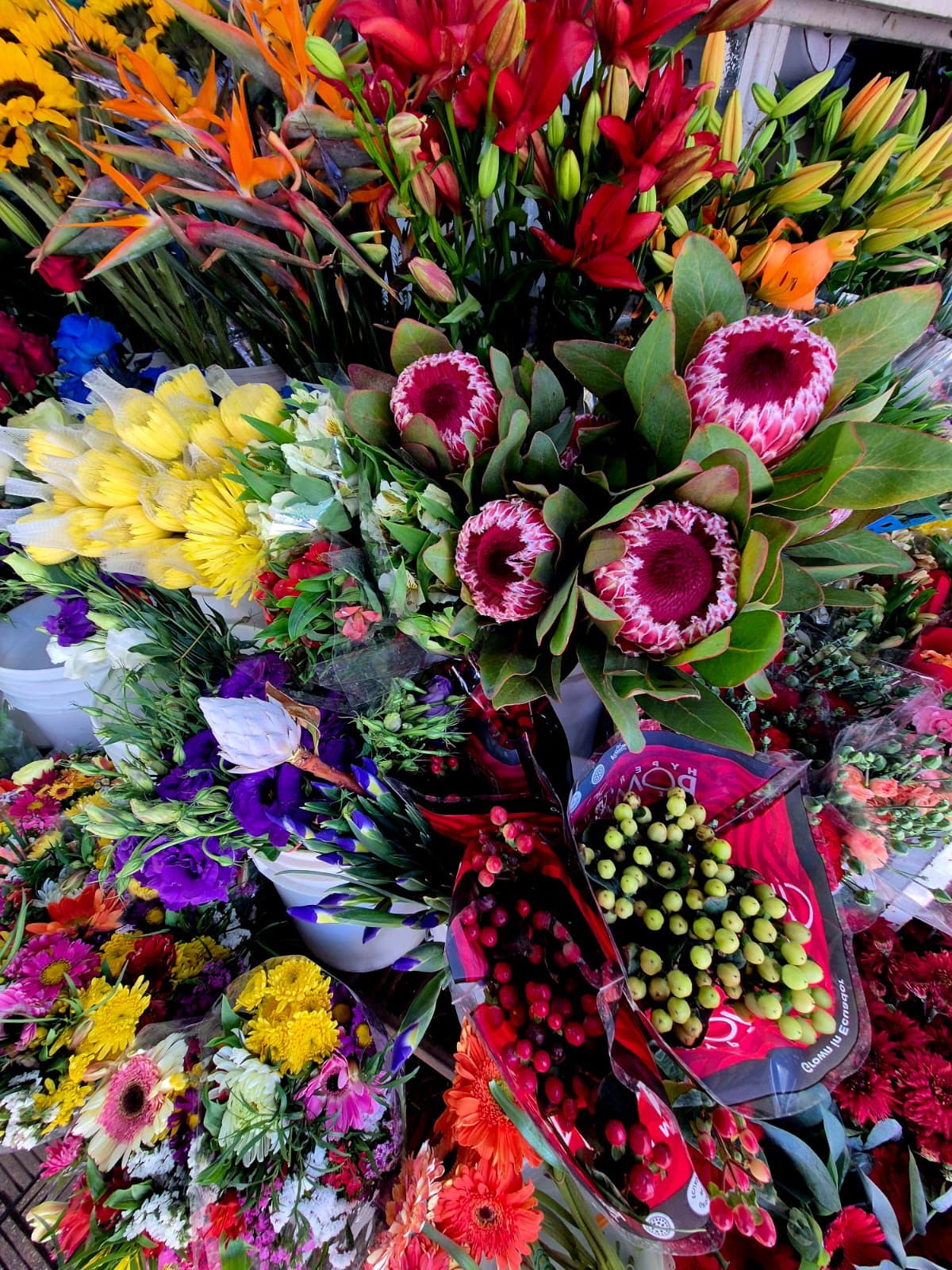
Fresh, seasonal foods tend to offer more of this sense of vitality. Fruits and vegetables are not inert objects after harvest; they are living tissues that continue to breathe and change in storage. Research shows that some delicate nutrients, especially vitamin C, can decline over time, even when produce is well stored. This does not mean older produce has no value, but it does help explain why food that is freshly picked, recently prepared, and close to its natural state can feel more vibrant on the plate and in the body.
Minimally processed foods also tend to preserve more of their original integrity. Whole grains, legumes, vegetables, fruit, herbs, eggs, fish, or properly prepared meats still resemble the foods they began as. Ultra-processed products, on the other hand, are often industrial formulations made largely from extracted ingredients, refined starches, fats, sugars, and additives. Large reviews have linked higher intake of these foods with worse cardiometabolic and overall health outcomes.
To nourish deeply, then, is not only to choose nutrients. It is to choose freshness, simplicity, and the quiet vitality of food that still carries something of the life from which it came.